





When we think of watering a garden, rain and the hose are usually the go-tos. But nature offers other sources—dew, condensate, fog—and if harnessed cleverly, they can help reduce water bills, buffer dry spells, and improve the health of your plants. Below are some of the lesser known water sources, how they work, and how gardeners can use them.
The Science Behind Dew, Condensate, and Fog
Dew formation happens when surfaces like leaves, soil, roofs, or other objects cool overnight (often via radiation to the sky) below the ambient dew point. Moisture in the air condenses onto these cooler surfaces.
Condensate refers to water collected from cooling systems like air conditioners, refrigeration units, even exhaust fans. It’s “distilled like” water (low in salts and minerals) though it can pick up bacteria or contaminants depending on surfaces.
Fog and mist collection leverages suspended water droplets in the air. Nets, mesh, or specially made materials trap droplets, which then coalesce and drip into troughs or containers. Especially useful in coastal, mountainous, or arid regions where fog is frequent.
Why These Sources Matter for Gardeners?
Supplemental moisture in dry seasons. Even small amounts of dew or condensate can reduce plant stress and help them survive dry nights or droughts.
Cooler microclimates & reduced water loss. The presence of dew can lower surface temperatures of leaves (evaporative cooling), and also delay transpiration until after the dew evaporates.
Water conservation & lower costs. Harvested rain, captured dew, and condensate reduce reliance on mains water or pumped irrigation.
Better soil health. Rainwater tends to be “soft” (few dissolved salts) and helps flush salts from soil. Dew or condensate can keep soil surfaces moist, curbing evaporation and helping soil microbes thrive.
Practical Techniques & Tools
Rainwater Harvesting Systems
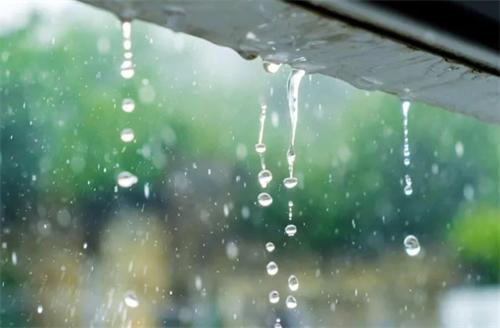
Rainwater harvesting is a time-tested method for collecting water directly from precipitation. By channeling rainwater from rooftops through gutters into storage containers like barrels or tanks, gardeners can create a sustainable water source. This system is particularly effective in regions with consistent rainfall, allowing for the collection of significant amounts of water during wet seasons. Proper maintenance, such as cleaning gutters and ensuring first-flush diverters are in place, is essential to maintain water quality and system efficiency.
Condensate Capture
Condensate capture involves collecting water that forms when humid air contacts cooler surfaces, such as air conditioning units or refrigeration systems. This water, often referred to as "gray water," can be repurposed for garden irrigation. To implement this, gardeners can install a condensate pump to redirect the collected water into a storage reservoir or directly to plant beds. It's important to ensure that the collected condensate is free from contaminants and suitable for plant use.
Dew Collectors
Dew collectors are designed to capture moisture that condenses from the air during cooler nighttime temperatures. These systems typically use materials with high emissivity to cool rapidly, encouraging condensation. The collected dew can then be funneled into storage containers or directly to plant roots. This method is especially beneficial in arid regions where traditional water sources are scarce.
Fog Harvesting
Fog harvesting is a technique that captures water droplets suspended in fog. This is achieved using large vertical mesh nets that intercept fog droplets, causing them to coalesce and drip into collection troughs. The harvested water can then be stored and used for irrigation. Fog harvesting is most effective in coastal or mountainous regions where fog is prevalent.
Soil Additives for Moisture Retention
Innovative soil additives, such as super-moisture-absorbent gels, can enhance a garden's ability to retain moisture. These gels absorb water from the air during cooler periods and release it into the soil as temperatures rise. Incorporating such additives into the soil can reduce the need for frequent irrigation, especially in areas with variable rainfall.