





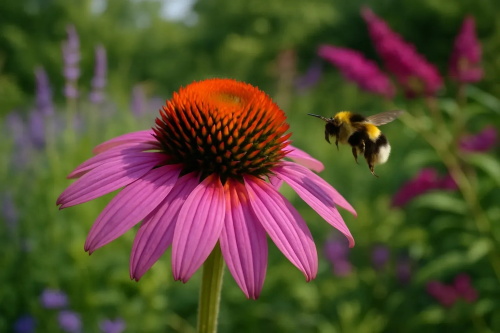
In an era of habitat loss, chemical pressures, and climate change, even small gardens can become vital stepping stones — pathways — for pollinators. These aren’t just pretty flowerbeds: they are living corridors that support whole lifecycles, food web connections, and biodiversity. Here’s how to design one that works and delights.
Key Principles for Designing Pollinator-Friendly Pathways
Native Plant First, but Wisely Supplemented
Native plants are adapted to your climate, interact with local insects, and often require less maintenance. They tend to provide richer nectar and more compatible host plants for caterpillars or larval stages of native butterflies. But non-native (non-invasive) plants can fill gaps — especially for continuous bloom or color when native availability is limited. Aim for something like 70-80% native species, then accent with interesting non-natives.
Season-Long and Successional Blooming
A pathway garden should offer nectar and pollen from early spring through late fall (or even winter, depending on zone). That means selecting plants that bloom in succession — bulbs in spring, early summer perennials, late bloomers like asters or goldenrod, even shrubs that flower off-peak. Also, leaving seed heads and old stems over winter supports insects that overwinter as larvae or eggs.
Layers, Clumps, and Structural Variety
Pollinators use the garden vertically as much as horizontally. Include:
● Trees and tall shrubs for early spring blossoms and shelter.
● Mid-height perennials and shrubs for summer bloomers that bees, butterflies, and hummingbirds can access.
● Groundcovers, low perennials, patches of bare soil for ground-nesting bees and caterpillars.
● Grouping plants (clumping) rather than scattering single specimens helps pollinators find food sources more efficiently.
Habitat & Nesting Infrastructure
It’s not enough to feed them: pollinators also need places to nest, shelter, rest, reproduce.
● Leave dead wood, old stems, hollow stalks for cavity-nesting bees.
● Bare or sandy soil patches for ground-nesting bees.
● Dense shrub or brush piles for overwintering butterflies, larvae, and even small birds.
Reliable Water Sources and Puddling Spots
● Water is often overlooked, but critical.
● Shallow water dishes or bird baths with stones so insects can perch and drink safely.
● Butterfly puddling areas: shallow depressions with damp sand or soil, maybe with a bit of mineral salt.
● Mist, dripping water, or gentle water features can provide hydration and even cooling or bathing spots.
Avoid Chemicals, Nurture Natural Balance
Pesticides, herbicides, and chemical fertilizers can kill more than pests. They can disrupt pollinator behavior, wipe out beneficial insects, and degrade soil and nectar quality.
Favor integrated pest management: attract predators (ladybugs, lacewings), physical removal, organic sprays only as needed. Plus, letting things like leaf litter and old stems remain helps with overwintering populations.
Design Ideas: Pathways, Corridors & Patterns
To turn those principles into something you can plant, here are creative ways to build the pathway:
Stepping Stone Gardens: Islands or patches of pollinator-friendly plants spaced so insects can hop from one to the next without long dry gaps.
Meandering Paths: Create winding paths through your garden bordered by flowering beds. Makes a sensory journey, invites visitors (both human & insect), and allows variety in light & shade exposure.
Wildflower Meadow Networks: Let sections of your yard go a bit wilder, with native wildflowers and grasses, for broad habitat patches. These act like highways in a pollinator network.
Butterfly Zones & Hummingbird Niches: Dedicated spots with host plants for caterpillars; tubular flowers and red/orange hues for hummingbirds. Position these near shelter from wind.
Why It Matters?
Pollinators contribute directly to food production, ecosystem resilience, and biodiversity. They are declining globally due to habitat fragmentation, pesticide use, and climate pressures. Gardeners can make an impact in piecing together habitat corridors.
Urban and suburban gardens become critical patches in landscapes that are otherwise heavily modified. Even small gardens or containers matter.
These gardens often bring co-benefits: more birds, cleaner soil, better moisture retention, aesthetic beauty, year-round interest.
Gardening in this way transforms your outdoor space into more than a display—it becomes habitat, refuge, and corridor. With thoughtful design, even a modest backyard can help create a living pathway for bees, butterflies, and birds.